
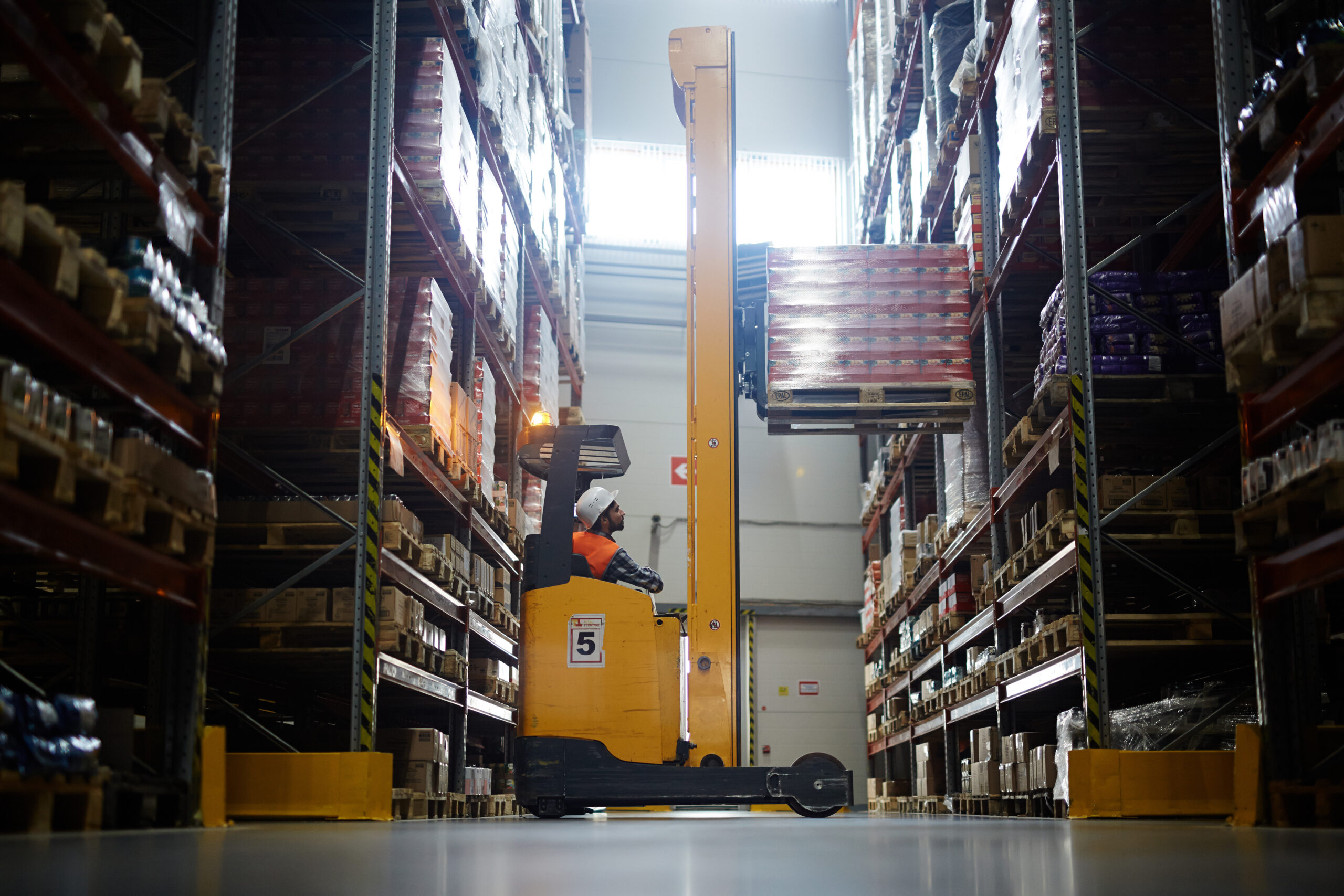
Choosing the right forklift isn’t simply a question of lifting capacity. The machine’s power source can significantly affect its suitability, running costs, and day-to-day operation.
Electric, diesel, and LPG forklifts each have advantages. The best choice depends on where the machine works, what it needs to lift and how intensively it will be used.
Electric Forklifts: Ideal for Many Indoor Applications
Electric forklifts are a popular choice for warehouses, factories and distribution centres.
Because they don’t produce exhaust emissions during operation, they’re particularly well suited to enclosed working environments.
They are generally quieter than combustion-engine machines and often require less routine maintenance.
However, charging arrangements need careful consideration.
A forklift used for several shifts may require a different battery and charging setup than one used occasionally during the day.
When buying used, battery age and condition matter most.
Diesel Forklifts: Built for Demanding Outdoor Work
Diesel forklifts are commonly used in builders’ merchants, timber yards, industrial sites and other outdoor environments.
They suit heavy-duty applications, particularly where machines need to run for extended periods, and refuelling needs to be straightforward.
Their main disadvantages include exhaust emissions, noise and the maintenance associated with combustion engines.
Diesel forklifts are generally unsuitable for enclosed workplaces unless a specific risk assessment demonstrates that the operating conditions and exposure controls are appropriate.
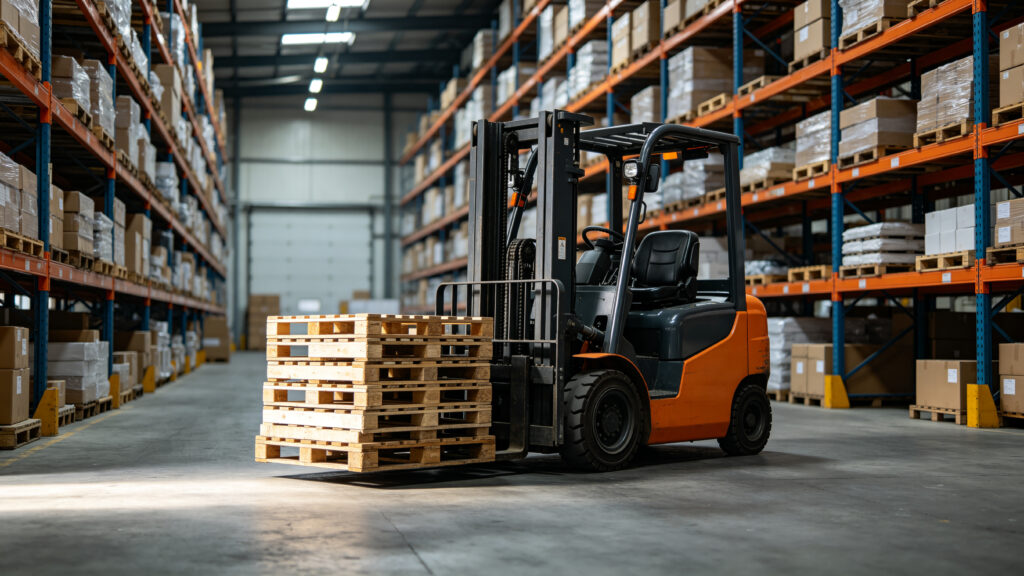
LPG Forklifts: A Flexible Alternative
LPG forklifts offer an alternative to both electric and diesel machines.
They can be useful for businesses requiring flexible operation, including certain indoor and outdoor applications.
Refuelling can be relatively quick, making them attractive where charging downtime would be inconvenient.
However, LPG forklifts still produce exhaust emissions. Indoor use requires appropriate ventilation, exposure assessment and controls.
Fuel storage and cylinder handling arrangements also need to be considered.
Which Type Is Best?
There is no universal answer.
For an enclosed warehouse with regular daily use, an electric forklift may be the most practical option.
For heavy outdoor work, a diesel machine may be better suited.
For some businesses operating across different environments, LPG may offer a useful compromise.
But fuel type is only part of the decision.
You must also consider lifting capacity, lift height, turning circle, tyre type, ground conditions, and available space.
What About Buying Used?
Used forklifts can offer considerable value, but different power types require different inspections.
On electric machines, pay particular attention to battery condition and charging equipment.
On diesel and LPG machines, consider engine condition, emissions-related maintenance, fuel systems and service history.
For every machine, check the lifting equipment, tyres, brakes, steering and relevant maintenance records.
Talk to AMTEC Materials Handling
The right forklift suits your operation, not simply the one with the most attractive price.
At AMTEC Materials Handling, we can help you explore available used forklifts and find equipment that matches your requirements.
Browse our used forklift stock or contact us to discuss what you need.